Choosing a Shotgun Microphone for Video Camera
A shotgun microphone for video camera work can improve perceived production quality faster than a camera-body upgrade when viewers struggle to hear dialogue. A sharp 4K image cannot compensate for HVAC rumble, room reflections, distant voices, or traffic leaking into an interview. The goal is not simply to attach the longest microphone available. It is to place the right directional microphone close enough to the subject, then build a signal path your camera and production workflow can support.
For creators, educators, livestream teams, corporate AV operators, and small studios, shotgun microphones provide focused voice capture without placing a visible lavalier on every speaker. They are especially effective for seated interviews, presentations, boom-operated narrative work, and camera-mounted reference audio. Their limitations matter just as much: directionality is not a substitute for distance, and a shotgun model can sound poor in the wrong room.
What a Shotgun Microphone Does for a Video Camera
A shotgun microphone uses an interference-tube design to narrow its pickup area toward the front. Most models use a supercardioid or hypercardioid capsule, with the tube increasing forward directivity at higher frequencies. This helps reduce sound arriving from the sides compared with an omnidirectional microphone.
That does not mean a shotgun captures only what is directly in front of it. It still hears the room, rear pickup remains present, and off-axis sound can become colored rather than disappearing. A good setup uses the microphone to favor the speaker while minimizing unwanted sound at the source.
For a camera operator, the practical benefit is a cleaner dialogue track with less ambient distraction. For a live production team, it can provide a controlled podium, host, or presenter feed without adding a bodypack system. In a multi-camera setup, the audio should normally be routed from one primary source into the switcher, mixer, recorder, or streaming computer rather than relying on a different camera microphone for every angle.
Choose Reach Based on Placement, Not Marketing
Shotgun microphones are often described as short, medium, or long, but physical length is not a simple measure of usable reach. A longer interference tube can produce tighter high-frequency directionality outdoors, yet it does not make distant speech sound close. If the microphone is six feet from the speaker, it will still record more room tone than a microphone positioned 18 inches away.
Camera-mounted use
A compact shotgun mounted on a mirrorless camera, camcorder, or production camera is practical for run-and-gun work. It is best when the operator stays close to the subject, such as a walk-and-talk, quick interview, documentary coverage, or event arrival shot.
Expect compromises when the camera is several feet away. A camera-mounted microphone follows the lens, not the person speaking. In a wide shot, the mic is wide from the subject too. Treat it as a convenient primary option for close work and a reliable scratch track for syncing dedicated audio, not a replacement for close miking in every situation.
Boom, stand, and podium use
For controlled production, position the shotgun just outside frame on a boom, stand, or ceiling mount. Aim it at the speaker’s upper chest or mouth area from above when possible. This placement often sounds more natural than aiming upward from below, where the microphone may pick up reflections from a desk or floor.
For a podium, a short shotgun can work when its mount is stable and the presenter remains within a predictable speaking position. A gooseneck vocal microphone may still be the better choice for speakers who turn their head, move around the lectern, or need more consistent proximity.
Match the Pickup Pattern to the Room
A supercardioid shotgun is useful when you need forward focus with a manageable rear pickup zone. It can suit studios, classrooms, corporate presentations, and livestream desks when the room is reasonably treated. Hypercardioid designs may be tighter at the front but require careful aiming because rear sensitivity is more pronounced.
Long shotgun microphones are typically strongest outdoors, where there are fewer nearby reflective surfaces. Indoors, especially in small untreated rooms, the interference tube can exaggerate reflections and produce a hollow or phasey off-axis sound. In that environment, a compact shotgun or a high-quality supercardioid boom microphone may deliver more intelligible dialogue.
Before selecting a model, listen for the real problem. If the issue is keyboard noise beside a presenter, directionality and placement may help. If the issue is a bare-walled conference room, acoustic treatment, rugs, curtains, and closer microphone placement can have a larger effect than moving to a more expensive shotgun.
Check the Camera Audio Path Before You Buy
A shotgun microphone must match the input options and gain performance of the video camera or production system. This is where a technically capable microphone can be limited by a weak signal path.
A 3.5 mm TRS output is common on compact on-camera microphones and creator cameras. Confirm that the camera accepts a microphone-level input, not only a headset or line-level connection. Some devices use TRRS ports, USB audio, or proprietary accessory interfaces, so the correct cable and adapter matter.
Professional cameras, audio recorders, and mixers typically use balanced XLR inputs. XLR is the better choice for longer cable runs because it resists interference and supports professional preamps. Many XLR shotgun microphones also require 48V phantom power. Verify whether your camera, mixer, or recorder can provide it. If not, select a battery-powered model or add an appropriate external preamp or recorder.
Set gain deliberately. Start with camera preamps low enough to avoid excessive hiss, then raise level at the microphone or external preamp when that option is available. Monitor through headphones, not camera meters alone. A signal that peaks around -12 dBFS during normal speech gives useful headroom for louder words while protecting against clipping.
Mounting and Wind Protection Are Part of the System
A shotgun microphone is highly sensitive to handling noise, cable movement, and wind. A rigid shoe mount may be adequate for static indoor use, but a shock mount is the safer option for handheld cameras, PTZ-adjacent rigs, boom poles, and mobile production.
Wind protection should match the location. Indoors, a foam windscreen reduces light air movement and plosives. Outdoors, use a furry wind cover or blimp system when conditions demand it. Even a mild breeze can overload a microphone with low-frequency rumble that cannot be repaired cleanly after recording.
Engage a low-cut filter when handling noise, air conditioning, traffic, or wind creates unnecessary low-frequency energy. Do not use it blindly. Deep vocal voices, music, and environmental sound design may need more low-end extension. Test with the actual speaker and location before going live.
Build Audio Around the Production Workflow
For single-camera content, recording directly to camera can keep editing fast and reduce sync work. For an interview, podcast, or higher-stakes corporate video, a dedicated recorder or mixer offers stronger preamps, more inputs, and better level control.
In multi-camera livestreaming, route the main shotgun feed into the audio mixer or switcher and keep it independent from camera cuts. This prevents the voice level and room sound from changing every time the technical director switches angles. A camera’s onboard microphone can remain available as a backup or reference track, but it should not control the program mix.
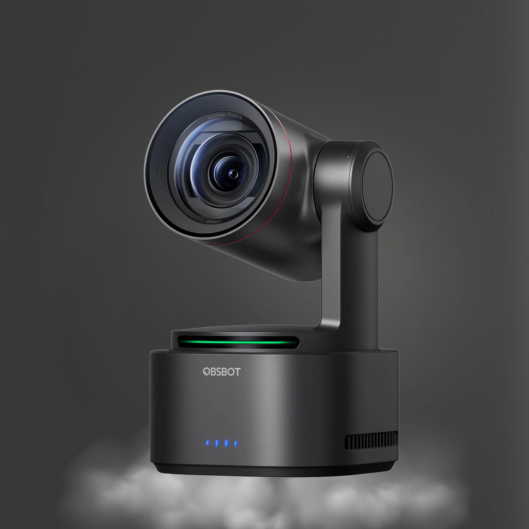
AI-tracking PTZ cameras make it easier to keep presenters framed during solo production. They do not change the fundamentals of sound. If a tracking camera moves farther from a presenter, the attached microphone also moves farther away. A separately placed shotgun, podium microphone, or wireless system will usually provide more consistent audio.
When a Shotgun Is Not the Best Choice
Choose a lavalier when the speaker moves freely, the environment is noisy, and consistent distance is essential. Choose a headset for fitness instruction, active presentations, or worship leaders who need stable voice level while turning their head. Choose a conference microphone for several seated participants, provided the room is quiet and the microphone can be placed centrally.
A shotgun remains the right tool when you need directional capture without attaching a microphone to talent, but only if you can place it close enough and control the room around it. CKMOVA shotgun options can fit compact camera rigs and more structured capture setups, while the rest of the production chain should be selected around the outputs, mounting, and live-control requirements of the system.
The most useful test is simple: put the microphone where it will actually live, record a minute of normal speech, and listen on headphones before the shoot. The right choice is the one that keeps dialogue clear when the camera is rolling, the room is active, and the operator has other production tasks to manage.