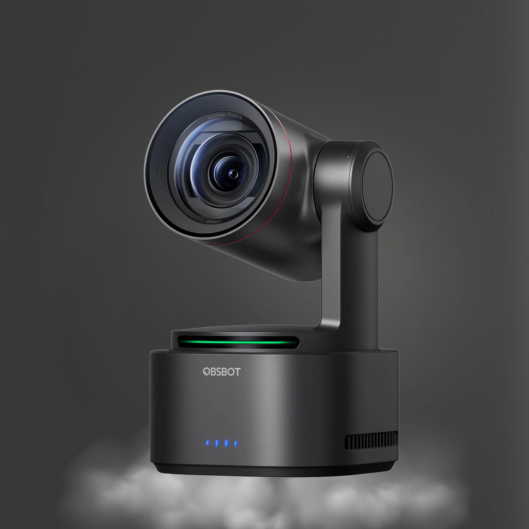
Conference Microphones for Clearer Meetings
A 4K conference camera can show every expression at the table, but weak audio still makes a hybrid meeting feel distant. Conference microphones determine whether remote participants hear natural speech, missed words, keyboard noise, or room echo. The right choice starts with the room, the number of speakers, and the way audio enters the production system.
For a small huddle space, a compact USB boundary microphone may be enough. For a boardroom, classroom, worship space, or panel discussion, microphone coverage, placement, and DSP compatibility matter far more than a simple plug-in connection. Buying for the workflow prevents a common problem: a technically good microphone that is wrong for the room.
Start With the Room, Not the Microphone
Measure the active speaking area rather than the room’s total footprint. A 10-person boardroom may have only six people speaking regularly from one side of the table. A training room may have one presenter at the front plus occasional audience questions. These are different pickup problems and should not use the same microphone strategy.
Room surfaces matter just as much. Glass walls, hard tables, tile floors, and high ceilings reflect speech back into the microphone. That reflection becomes echo and lowers intelligibility for listeners on Zoom, Teams, or a livestream. Acoustic treatment can help, but microphone distance is usually the first variable to control. Put the mic closer to the talker whenever the format allows it.
A single omnidirectional tabletop microphone works best when every person is close to it and the room is reasonably quiet. It becomes less effective as seats spread out, HVAC noise rises, or people type while someone else speaks. In larger rooms, several microphones placed deliberately are usually more dependable than one device expected to cover everything.
Conference Microphone Pickup Patterns Explained
Pickup pattern describes where a microphone hears best. It is not a promise that unwanted sound disappears, but it strongly affects speech clarity and gain before feedback.
Omnidirectional microphones capture sound from all directions. They are practical for roundtables, small group discussions, and tabletop placement where speakers sit around the capsule. Their trade-off is broad room pickup. A noisy space will sound noisy.
Cardioid microphones favor sound arriving from the front while reducing sound from the rear. They suit a lectern, seated presenter, or a fixed position in front of a camera. For panels, individual cardioid gooseneck microphones can provide clearer speech than one tabletop unit, especially when panelists sit several feet apart.
Supercardioid and shotgun microphones use a tighter forward pickup area. They are useful for camera-mounted capture, boom positioning, or focused presentation audio, but they require accurate aiming. A shotgun microphone positioned too far from a presenter can still sound hollow because it captures room reflections along with speech. Directionality is helpful, not a substitute for distance.
Boundary microphones sit on a flat surface such as a table, desk, stage floor, or conference podium. The surface changes how the microphone captures reflections and can improve practical coverage for seated groups. They are a sensible option when visible stands would obstruct camera framing, though tapping, papers, and keyboard vibrations can transfer through the table.
Match Connectivity to the Production Workflow
A conference microphone is only as useful as its connection to the meeting or production system. USB models are fast to deploy with a laptop or compact all-in-one conferencing rig. They are often ideal for remote teams, portable training kits, and single-room video calls, where one computer handles the camera, loudspeaker, recording, and platform connection.
For expandable systems, analog XLR microphones offer better flexibility. They can feed an audio mixer, USB audio interface, video switcher with audio inputs, or a dedicated DSP processor. XLR also supports longer cable runs and balanced audio, which helps reject electrical interference in installed conference rooms and event spaces.
Wireless systems are valuable when presenters move, when cable routing is impractical, or when the room layout changes frequently. They require more planning than wired options: battery management, RF coordination, receiver placement, and backup procedures all affect reliability. For a fixed executive boardroom, wired gooseneck or boundary microphones are often simpler to operate day after day.
If the room feeds a multi-camera production, confirm where audio will be mixed and embedded. You may send microphones to an audio mixer, apply EQ and compression, then route a clean stereo mix into a live video switcher. That keeps sound consistent while PTZ cameras change angles. In a networked workflow, ensure the selected equipment supports the required audio routing and sync method before installation.
Placement Has More Impact Than Most Specifications
The most expensive microphone cannot compensate for poor placement. For seated speech, place tabletop microphones close enough that a person can speak at a normal level. Avoid putting a single unit at the far end of a long table and expecting it to capture every participant equally.
Keep microphones away from loudspeakers whenever possible. If the same room uses speakerphones, position the speaker output so it does not fire directly into a microphone. Acoustic echo cancellation can reduce return audio, but it works best when the physical setup is sensible. Excess speaker level, reflective rooms, and multiple open microphones make echo control harder.
For a podium or standing presentation, use a properly aimed gooseneck microphone or a wireless lavalier. A gooseneck provides a consistent position when the presenter remains at the lectern. A lavalier supports movement and cleaner stage visuals, but clothing noise and placement technique need attention. A headset microphone offers the most consistent distance for active presenters and fitness, education, or worship applications.
When using a camera-mounted shotgun mic for a simple conference setup, move the camera as close as framing permits. A wide shot from the back of the room puts the microphone too far from every speaker. For larger spaces, supplement camera audio with dedicated room or presenter microphones instead of relying on the camera as the primary audio source.
Build for Hybrid Meetings, Not Just In-Room Speech
Hybrid meetings introduce a separate challenge: local attendees must hear remote callers while remote callers hear local attendees without echo. This requires a clear signal path and usually some form of echo cancellation. Consumer conferencing devices can manage this internally, while installed rooms may use a dedicated DSP system.
Avoid combining multiple USB microphones in one computer setup without testing. Operating systems may treat them as separate devices with independent clocks, levels, and latency. The result can be phase problems, drift, or inconsistent switching between sources. A mixer or interface that combines microphones before the computer is usually more controlled.
Automatic mixing is useful in rooms with several microphones. It can lower channels that are not in use and prioritize active speakers, reducing cumulative room noise. This is especially effective for panel tables, classrooms, and council-style meetings. However, settings should be adjusted carefully so soft-spoken participants are not cut off mid-sentence.
For livestreaming, record a local audio backup when the event matters. A clean feed from the mixer, captured separately from the streaming computer, provides protection if a platform setting, USB connection, or software update creates a problem. Check audio monitoring with closed-back headphones before guests arrive, not after the program begins.
Key Specifications Worth Comparing
Product pages can present many numbers, but a few specifications directly affect conference use. Compare these factors across microphone options:
- Pickup pattern and practical coverage area for the intended seating layout.
- Connection type, including USB, XLR, 3.5 mm, wireless receiver output, or networked audio compatibility.
- Frequency response and sensitivity, with attention to natural vocal reproduction rather than exaggerated low end.
- Maximum sound pressure handling if the microphone will also capture music, applause, or amplified speakers.
- Power requirements, including USB bus power, phantom power, batteries, charging docks, and wireless runtime.
- Physical mounting options for tables, ceilings, podiums, camera rigs, or boom arms.
Choose the Coverage Model That Fits
A small meeting room with two to four people can often use one quality USB conference unit or a compact boundary microphone. A medium boardroom benefits from distributed tabletop microphones, goosenecks, or a system designed for multiple zones. A classroom or training room usually needs dedicated presenter audio plus a method for audience questions. A large event room needs a proper mixer, managed microphone channels, and an operator who can monitor levels.
For creators and corporate teams building compact video systems, the audio path should complement the camera workflow. A focused CKMOVA shotgun microphone can support close camera capture, while lavalier, vocal, and conference-oriented options address presenters and group discussions. The goal is not to use one microphone everywhere. It is to assign each microphone a job it can perform reliably.
Before the next meeting or live program, sit where remote participants will sit: on headphones, hearing only the delivered mix. If every speaker sounds close, intelligible, and consistent at a normal listening level, the system is ready to support the conversation rather than compete with it.